
Excessive barking is one of the most common challenges dog owners face. Whether it’s triggered by boredom, anxiety, or excitement, constant barking can quickly become stressful—for both you and your neighbors.
The good news? You can fix it with the right approach.
In this guide, you’ll discover simple, effective, and humane ways to stop dog barking, plus helpful tools and training tips to create a cal

Why Dogs Bark
Dogs bark for different reasons, including attention, boredom, anxiety, alerting, territorial behavior, and excitement. The fastest way to reduce barking is to figure out what your dog is trying to communicate instead of treating all barking the same. A barking plan works best when you match the fix to the cause.
1. Ignore Attention Barking
If your dog barks to get you to look at them, talk to them, or give them something, the barking may be being rewarded by your response. The solution is to stop reinforcing the bark and only give attention when your dog is quiet. When your dog settles, reward that calm moment immediately so they learn silence works better than noise.

2. Teach a Quiet Cue
A simple “quiet” cue can help when your dog already understands basic training. Wait for a pause in barking, say “quiet,” and then reward the silence right away. Over time, lengthen the quiet time before giving the treat so your dog learns to stay calm for longer periods.
3. Remove the Triggers
Many dogs bark because they see people, animals, or sounds that set them off. If possible, block the view with curtains, move your dog to a quieter area, or manage windows and doors more carefully. Reducing exposure to triggers gives you a calmer starting point for training.

4. Add More Mental Work
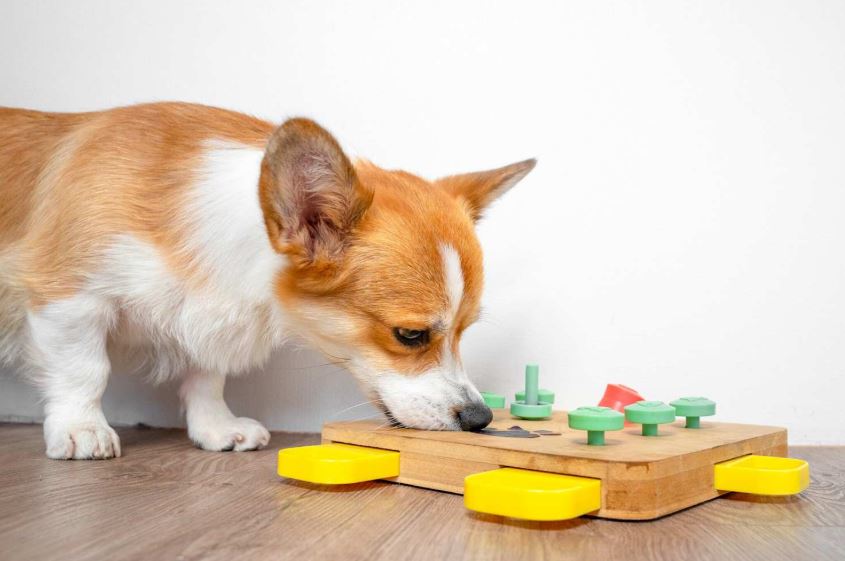
Bored dogs often bark more, especially if they have too much energy and not enough to do. Puzzle toys, sniff games, short training sessions, and other enrichment activities can help burn mental energy in a healthy way. This is one of the easiest ways to lower nuisance barking without relying on punishment.
5. Reward Calm Behavior
Dogs repeat what pays off, so make calm behavior worth noticing. Reward your dog when they lie down quietly, relax on a mat, or choose to watch without barking. This helps build a new habit instead of only reacting after the barking starts.
6. Stay Consistent
Mixed messages confuse dogs fast, especially if one person ignores barking while another responds immediately. Everyone in the home should use the same cue, the same rewards, and the same rules. Consistency is what turns a training trick into a lasting behavior change.

7. Use Tools Wisely
Some barking problems improve with training tools such as clickers, distraction toys, or bark-control devices, but these work best when they support training rather than replace it. Positive reinforcement is still the foundation, especially for teaching silence and better alternatives. Avoid relying on harsh corrections when a behavior issue may be coming from fear, boredom, or anxiety.
When Barking Needs Help
If barking is sudden, intense, or paired with panic, aggression, or destructive behavior, the issue may be deeper than simple habit. In those cases, a professional trainer or behavior specialist can help you identify the real cause and build a plan that fits your dog. Early action usually makes the fix easier and faster
❌ Common mistakes:
- Giving attention when the dog barks
- Yelling (your dog thinks you’re barking too!)
- Immediately giving food or toys
🐾 Final Thoughts
Stopping excessive barking isn’t about punishment—it’s about understanding your dog and meeting their needs.
With patience, consistency, and the right tools, you can transform your dog into a calmer, happier companion.