
Bringing a new dog home is exciting—but without proper training, it can quickly become overwhelming. The good news? With the right approach, you can raise a well-behaved, happy, and confident dog.
In this guide, you’ll discover the best dog training tips for beginners, plus tools that make training faster and easier.
1. Start Training Immediately

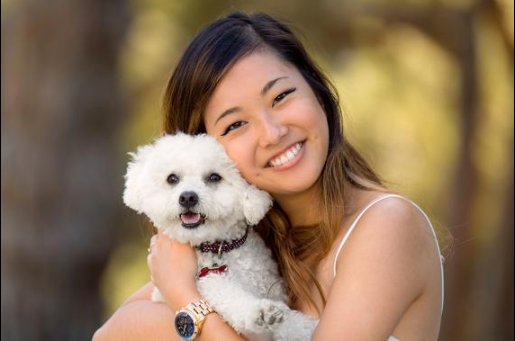
Dogs learn best from the beginning. Don’t wait weeks—start training on day one.
Focus on basics:
- Sit
- Stay
- Come
- No
💡 Dogs thrive on consistency and routine.
👉 you can Read: How to Introduce a New Dog to Your Home
🎯 2. Use Positive Reinforcement

Positive reinforcement means rewarding the behavior you want with treats, praise, toys, or play. Experts recommend this approach because it is effective and helps avoid the fear and anxiety linked to punishment-based methods. Use rewards immediately so your dog connects the action with the payoff.
Reward good behavior instead of punishing bad behavior.
Use:
- Treats
- Praise
- Toys
🚫 Avoid shouting or punishment—it creates fear and confusion.
🔗 Here are some good products that can help you to reward your pet:
⏰ 3. Be Consistent with Commands
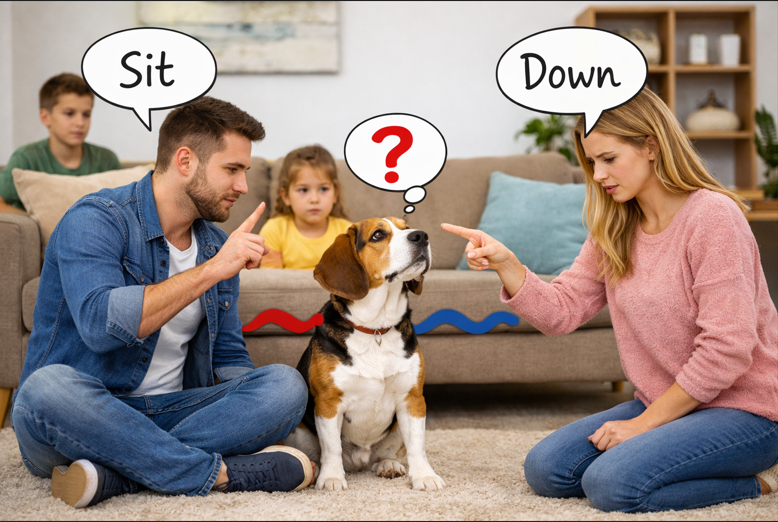
Use the same words, same tone, and same expectations every time. Repeating a cue over and over can teach your dog that they do not need to respond right away. Consistency also means everyone in the household should follow the same rules.
If you say “Sit” and someone else says “Down,” your dog will get confused.
💡 Everyone in the household should use the same words and rules.
👉 Read: 7 Mistakes Dog Owners Make and How to Avoid Them
🏠 4. Establish a Routine

Dogs do best when life is predictable. A regular routine for feeding, potty breaks, walks, and training helps your dog know what to expect and reduces confusion. Structure also makes it easier for new owners to stay consistent.
Dogs love routine—it makes them feel safe and secure.
Set consistent times for:
- Feeding
- Walking
- Training
- Sleeping
💡 This also helps with potty training success.
🔗 Affiliate products:
🚽 5. Master Potty Training Early

Potty training should begin as soon as your dog comes home. Take your dog out on a regular schedule, reward them right away for going in the correct spot, and stay consistent with the routine. Early success makes house training much easier and helps prevent long-term accidents.
Accidents will happen—but consistency is key.
Tips:
- Take your dog out every 2–3 hours
- Reward immediately after success
- Never punish accidents
🐕🦺 6. Socialize Your Dog

Socialization helps your dog feel confident around people, other dogs, new places, sounds, and everyday situations. The earlier you start, the easier it is to prevent fear, reactivity, and nervous behavior later on. Keep early social experiences calm, positive, and controlled so your dog learns that the world is safe and rewarding.
A well-socialized dog is:
- Less aggressive
- More confident
- Easier to handle
Expose your dog to:
- People
- Other dogs
- New environments
🧴 7. Use the Right Training Tools

The right tools can make training easier and more effective. A comfortable harness, standard leash, clicker, treat pouch, and high-value treats can help your dog understand cues faster and stay focused. Choose tools that support training without causing discomfort or confusion.
The right tools can make training much easier.
🔗 Affiliate products:
💡 A crate can help with both training and safety.
➡️ Internal link:
👉 Read: Best Dog Beds for Comfort and Better Sleep
🎮 8. Keep Training Sessions Short & Fun
Dogs have short attention spans. They learn best when training feels like a game instead of a chore. Keep sessions short, upbeat, and positive so your dog stays interested and eager to participate. A few minutes of focused practice several times a day is usually more effective than one long session.
Best practice:
- 5–10 minutes per session
- Multiple sessions per day
💡 Training should feel like a game, not a chore.
🐾 9. Be Patient and Stay Calm

Dogs sense frustration, so training works better when you stay relaxed. If your dog is not getting it, take a break and try again later. Patience is especially important for puppies, rescues, and first-time owners who are still learning each other’s communication style.
Training takes time—don’t expect instant results.
💡 Every dog learns at their own pace.
➡️ Internal link:
👉 Read: 10 Common Dog Health Problems and Warning Signs
10. Know when to get help
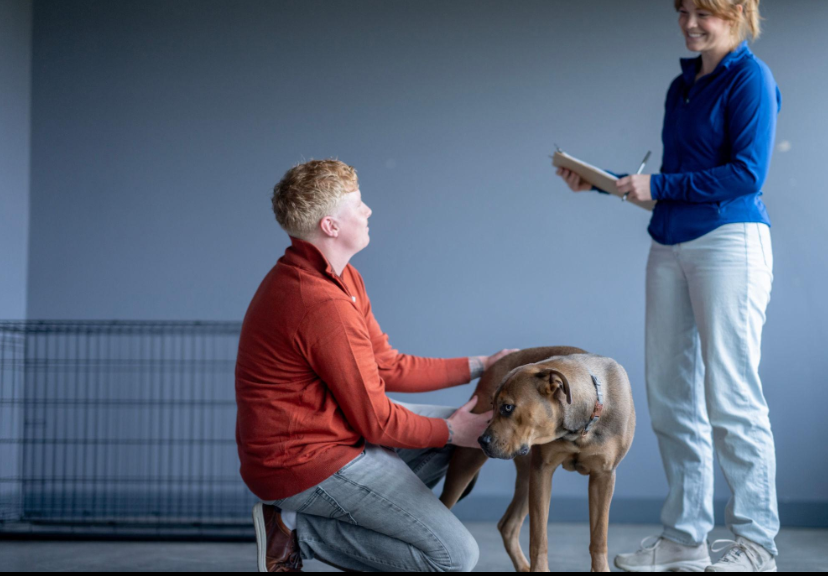
Sometimes, despite your best efforts, your dog may struggle with certain behaviors. That’s completely normal—some issues require expert guidance.
If your dog shows fear, aggression, extreme anxiety, or repeated behavior problems, professional support can save time and reduce stress. A qualified trainer can help you create a plan that fits your dog’s age, personality, and learning pace. Getting help early often prevents bigger problems later.
Consider professional help if your dog:
- Shows aggression (growling, biting)
- Has extreme anxiety or fear
- Doesn’t respond to basic training
- Displays destructive behavior
💡 A certified dog trainer or behaviorist can:
Help you avoid making things worse
Identify the root cause
Provide a structured training plan
🔗 Affiliate products:
- Professional dog training book (beginner-friendly)
- Online dog training course subscription
- Calming dog anxiety vest
🚀 Final Thoughts
Training your dog doesn’t have to be difficult. With consistency, patience, and the right tools, you can build a strong bond and raise a well-behaved companion.
Remember:
👉 Start early
👉 Stay consistent
👉 Reward good behavior